
Hygon DCU Long-Context Attention: From page784 to page832
AbstractIn large-model inference, the Attention formula is usually not the hardest part; what really determines performance is often how data lands in memory and at what granularity the hardware can fetch that data at once. This article uses Qwen3.5’s official prefix-off long-context path as an e...
Qwen3.5 Inference Performance Engineering on Hygon DCU: From Prefill/Decode Hotspots to End-to-End Gains
AbstractIn large-model inference optimization, one of the easiest things to misinterpret is treating a local speedup of a certain kernel directly as an improvement in service throughput. Even if a kernel is 1.08x faster in isolated tests, the complete service may be only a few percent faster, or ...
Hygon DCU Profile in Practice: How to Reconstruct a Token from Sixty Thousand GPU Kernels
OpeningWhen profiling large models on Hygon DCU, the hardest part is usually not whether a trace can be generated, but how to read it after it has been generated. A local sampling run of Qwen3.5-27B BF16 produced: 1234Total events: 235,964GPU events: 61,804kernel events: 60,124GPU event total duration: 5773.493...
Build Success Does Not Mean It Takes Effect — Verifying Incremental vLLM Compilation on Hygon DCU
The biggest waste of time I encountered while modifying vLLM kernels on Hygon DCU was not a compilation error. That time, compilation ended normally, the service could start, the endpoint could return results, and the performance test even produced a change that looked explainable. Only after rec...
THU-BDC2026 Technical Route: From Transformer to LightGBM Ranking
Why Write a Separate Technical Route PostThe previous post was more like a competition retrospective; this one is specifically to sort out the technical route for THU-BDC2026. For this project, from the earliest deep model to the later LightGBM LambdaRank, the transition was not simply “switching...
Xiaomi MIMO Token Application: My Real Experience of Using AI/Agent to Write Projects
BackgroundRecently, while organizing my projects, I also dug out the application materials for the Xiaomi MIMO developer token. These materials were originally meant to explain what I had built with AI/Agent, but after writing them, I found they were also quite suitable as a retrospective: W...
Building an E-commerce Platform with Servlet and JSP: A Bit Old-School, but It Really Trains the Fundamentals
BackgroundWriting Servlet + JSP again nowadays feels a bit retro. The frontend world has long been full of React and Vue, and on the backend most projects start with Spring Boot. But I still think that writing an e-commerce demo by hand with Servlet and JSP is a great way to shore up Web fundamen...
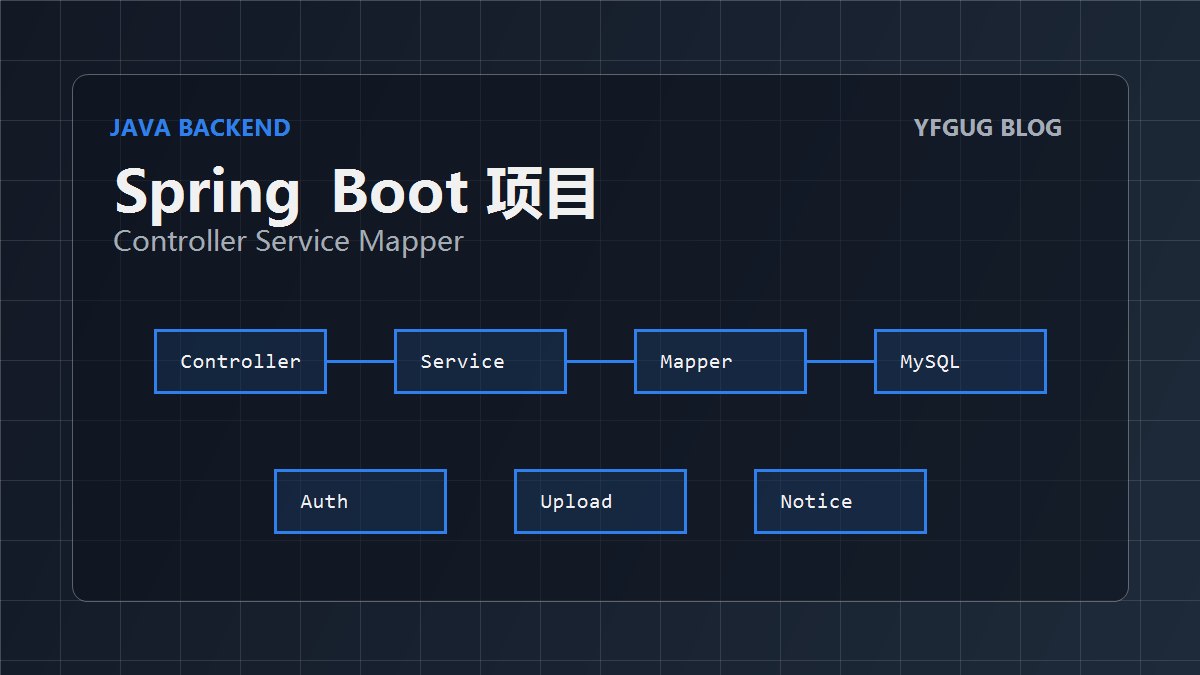
Campus Dormitory Management System: Even a CRUD Project Can Be Full of Pitfalls
How It StartedA campus dormitory management system sounds a lot like a course design project. Student information, dorm numbers, repair tickets, announcement management—these features are all very common. At first I also thought it was just a CRUD project: write a few APIs, connect a database, an...
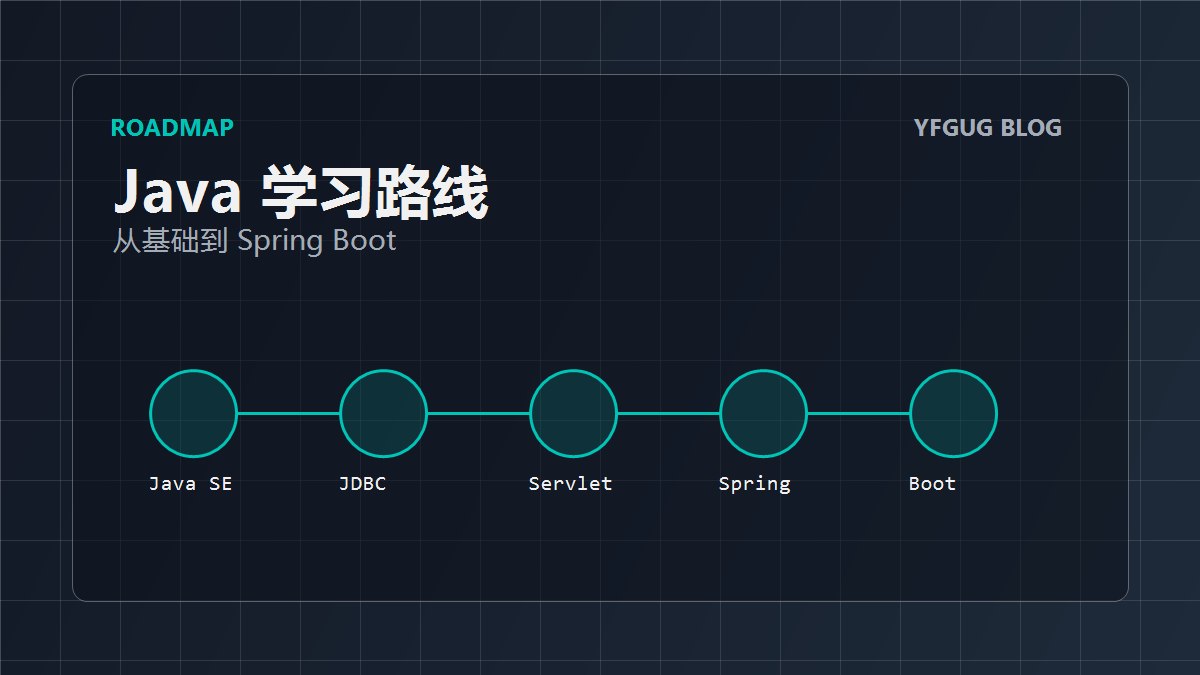
After Piling Up Java Projects, I Finally Understood Spring
How It StartedWhen I was learning Java before, I always had a strange feeling: I could understand the syntax, and I could follow along with videos, but when it came to actually building something myself, I did not know where to start. So later I simply put a bunch of exercises and small projects ...
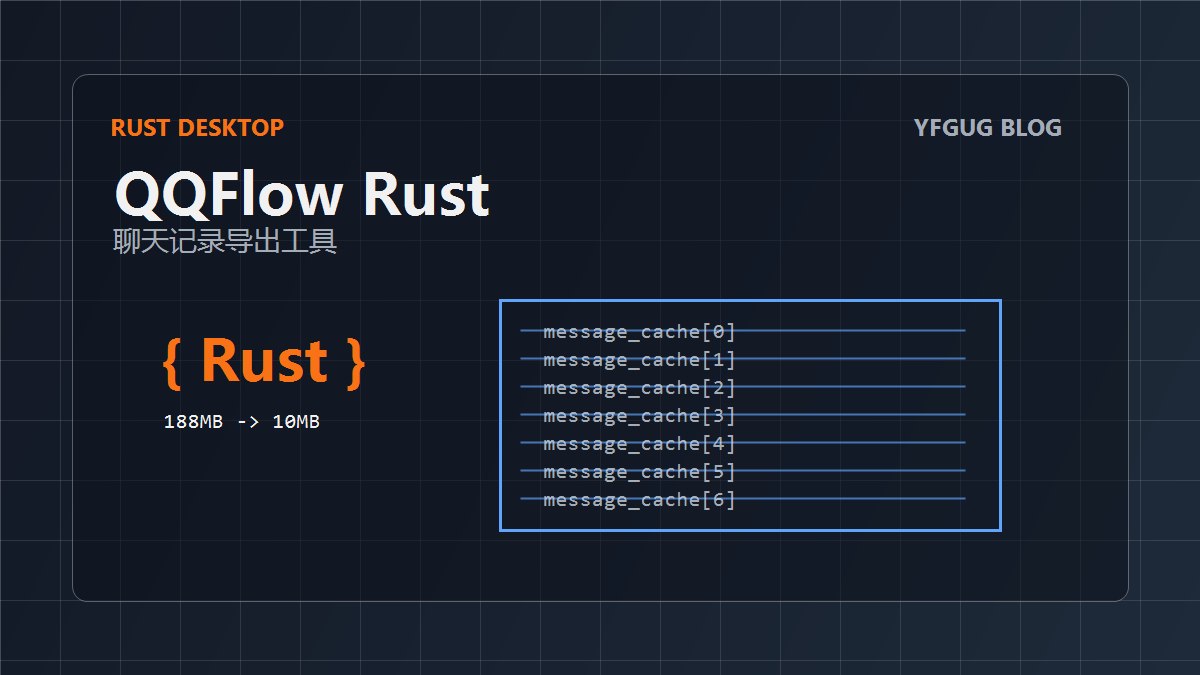
Rewrote QQFlow in Rust, from 188MB to 10MB
BackgroundHere’s how it happened. I have a habit of exporting and backing up my QQ chat history every so often. Not for any particular reason—just afraid that one day the account will be gone, and the chat history will be gone too. Previously I had always used a tool called QQFlow, written in Ele...
Recent Posts